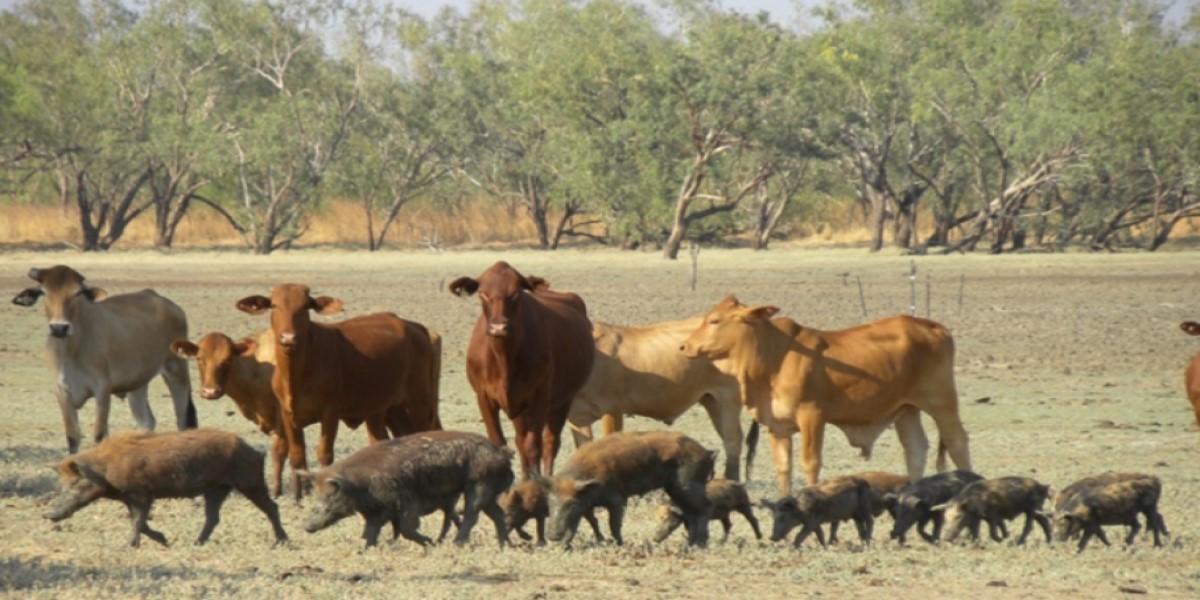
Graziers in the Bundaberg and broader Wide Bay regions now have access to an important tool to help keep their cattle healthy.
State Government support is being expanded to more farmers in the form of free testing kits to ensure their animals aren’t threatened by ticks.
Those in the Burnett electorate can now collect a free dip test kit from the Department of Primary Industries (DPI) office on Enterprise Street in Bundaberg.
Cattle ticks are a thorn in the side for graziers because the parasites cause severe blood loss in livestock, transmit fatal tick fever and create big financial costs.
To counteract that risk, livestock are immersed in a protective solution, but problems arise when the liquid is stripped of the active chemicals it contains.
However, regular testing ensures the solution is sufficiently potent, giving farmers peace of mind that ticks will not develop chemical resistance.
The move is being touted as a win for livestock health, sustainable agriculture and the protection of Queensland’s industries, economy and environment.
Minister for Primary Industries, Tony Perrett, said the expanded dip testing service will play a key role in helping prevent chemical resistance in cattle ticks.
“Whether it’s assisting with cost-effective dip testing, providing advice to graziers, or investing in research and resources to produce crucial vaccinations, we are continuing to deliver for Queensland graziers,” Mr. Perrett said.
Meanwhile, Member for Burnett Stephen Bennett said cattle producers are being assisted to meet their general biosecurity obligations, ensure their treatment is best practice and strengthen protections for graziers across the whole state.
“This free service offered by the local DPI team will make it easier for local graziers to ensure their chemical levels are within the recommended ranges while also providing quick and reliable results,” Mr Bennett said.
“By maintaining correct chemical levels in their dips, producers give themselves the most cost-effective method for controlling cattle ticks and importantly, they also reduce their risk of creating chemical resistance in cattle ticks on their properties.”
If cattle ticks develop chemical resistance, producers have limited chemicals available to treat infestations in their herds, which can be a major barrier in effective and healthy herd management.
For more information about the new counter service or to learn how to prepare or submit a sample, contact the DPI on 13 25 23 or visit the DPI website.